
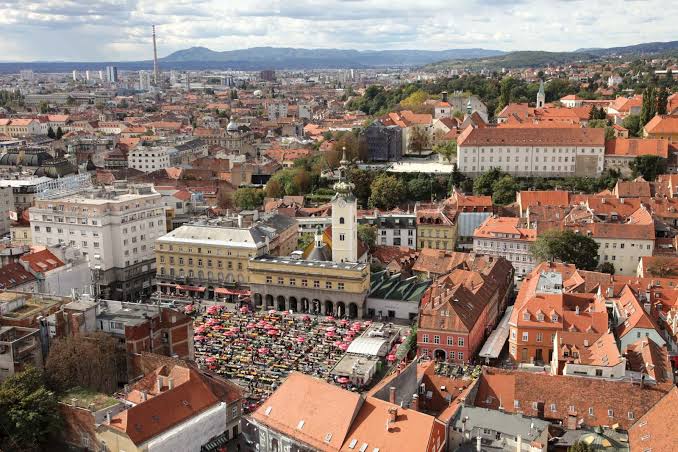
DIRECT ANSWER: Private tours Croatia operators sell are only as good as the guide behind the wheel, and in Croatia “vetted” starts as a legal minimum: tourist guides must hold an official licence under the country’s tourism law, earned through a course and a professional exam. Beyond that licence, what separates a good private guide from an adequate one is route experience, meaning how often they work the Dalmatian Coast and which cruise-ship day to avoid at the Dubrovnik walls. A private Croatia tour usually includes a private vehicle, a licensed English-speaking guide and help with hotel bookings. It usually leaves out flights, most meals, entrance fees and tips, so ask what the quote covers before you commit.
Anyone can put “expert local guide” on a tour page. Croatia’s licensing system gives that phrase a real minimum to check against when you compare private tours Croatia operators, and the Dalmatian Coast’s crowding and logistics give you a second, more useful test: does this guide actually work this coastline, or are they reciting facts from a script?
Here is what the licence covers, what the price of private tours Croatia travelers book really buys, and where the Dalmatian Coast rewards having someone who has done this drive before.
What Does It Actually Take to Guide in Croatia?
Guiding tourists in Croatia is a regulated job. Under the Act on the Provision of Services in Tourism, a tourist guide must pass a professional exam at an approved higher-education institution, receive an official decision from the local tourism office and carry a guide ID card on tours. Expat in Croatia walks through each step. Guides must also show B2-level knowledge of every foreign language they lead tours in.
A second exam part covers protected localities such as national parks. A guide who has passed only the general part can work across most of the country but not at those sites.
The rules are also moving. In March 2026 the tourism ministry presented new regulations that move guide exams from county level to four regional centres and cut the list of protected localities from more than 500 to 107, according to Croatia Week. A public consultation was due to follow, so confirm the current details before you rely on any of them.
That licence is a minimum, not a differentiator. It tells you the guide passed an exam. It doesn’t tell you which midday window at the Dubrovnik walls is busiest on a multi-ship day, or which Hvar restaurant still has a table in August. That part comes from one thing only: how many seasons the guide has spent working this specific route.
KEY TAKEAWAY: A licence is proof that a guide passed Croatia’s official exam. It doesn’t tell you whether they know the Dubrovnik to Split coast road well. Ask specifically about route experience, not just certification.
How Can You Tell If the Guide on Your Private Tours Croatia Trip Is Any Good?
Three things are worth asking before you book, and none of them mean simply trusting what a company says.
Will they name the actual guide before you arrive? A company that tells you who is driving you days or weeks ahead works differently from one that picks someone the morning of. If a private tour operator can’t say who will show up, ask about it directly.
Is there a real person to contact before the trip, not just a form? A contact form that vanishes into a queue feels very different from a named planner who answers questions about your specific itinerary. Email a specific question before you book and see what comes back.
Do the reviews read like a real trip or a template? Generic five-star text (“Amazing experience, highly recommend!”) tells you almost nothing. A review that names the itinerary, the guide and something specific that happened, such as a changed plan, a detour or a recommendation that paid off, tells you much more. Checking this costs nothing before you book.
What’s Included in Private Tours Croatia Itineraries?
Usually: a private vehicle just for your group, a licensed English-speaking driver-guide, route and itinerary planning, and help booking hotels along the way. Usually not included: flights into Croatia, most meals, entrance fees to places like Diocletian’s Palace or the Dubrovnik walls, tips, and premium extras such as a private boat charter or a wine tasting at a Pelješac vineyard.
| What’s usually included | What’s usually extra |
|---|---|
| Private vehicle and driver-guide for your group | International and domestic flights |
| Licensed, English-speaking guiding | Most meals (especially lunch and dinner) |
| Route planning and daily logistics | Entrance fees for sites (walls, museums, national parks) |
| Help with booking hotels | Tips for the driver and guide |
| Handling border crossings on multi-country trips | Optional extras: boat charters, wine tastings |
Before you commit, ask for the inclusions to be spelled out. The gap between a quoted price and the final cost almost always sits in the right-hand column, not in the base rate, and an operator who is clear about it up front is a good sign on its own. Our own private tours Croatia page lists what each itinerary covers, with starting prices.
KEY TAKEAWAY: The base price covers the vehicle, the guide and the planning. Entrance fees, most meals and tips are add-ons almost everywhere in the industry, not a hidden markup that belongs to any one company. The real question is whether they tell you upfront.
Where Does the Dalmatian Coast Especially Reward Having a Local?
More than most Croatian itineraries, because the coast’s two biggest practical problems, cruise-ship crowding and a drive that passes many small, easily missed stops, both depend on route knowledge rather than on a guidebook.
Cruise-ship timing in Dubrovnik. On a busy day, Gruž harbour can have two to five ships, putting thousands of people into the Old Town between about 9am and 4 or 5pm. A guide who checks the published cruise schedule, which almost nobody planning their own trip bothers to do, times your walls visit and your Stradun walk around the quiet windows instead of leading you straight into the worst of the crowds. Our month-by-month guide to visiting Croatia shows how crowds change through the year.
The stops most itineraries drive past. Trogir, a UNESCO-listed old town near Split that is small enough to see in an afternoon, and the Pelješac Peninsula, Croatia’s wine country and an easy detour from Dubrovnik known for Dingač and Postup reds, both sit on routes that many first-timers never think to add. A guide who works this coast regularly treats these as routing choices, which is why the best private tours Croatia has to offer fit them in without losing a day.
Island ferry timing. Hvar and Brač get busy in peak season, and popular ferry sailings can sell out. Someone who runs this route knows which sailing is worth booking early and which hotel still answers the phone in August, knowledge that doesn’t show up in a brochure.
If you’re planning a Dalmatian Coast trip, the Croatia hotels guide is worth a look before you book anywhere directly, and the Dubrovnik highlights guide is a good starting point for your first days on the coast. Planning a Croatia trip for the very first time? Start with the first-timer’s guide to private Croatia tours.
KEY TAKEAWAY: For private tours Croatia’s coast supports, the two real problems, cruise crowding and small stops that are easy to miss, are both solved by route experience, not by a guide’s general knowledge of Croatian history.
Frequently Asked Questions About Private Tours Croatia
Do tour guides in Croatia need a licence?
Yes. Under Croatia’s tourism law, a tourist guide has to pass a professional exam, receive an official decision from the local tourism office and carry a guide ID card on tours. A second exam part is required to guide at protected localities such as national parks. A licence is a legal minimum, so also ask about the guide’s experience on the actual route you are booking.
What do private tours Croatia operators sell usually cover?
Usually a private vehicle, a licensed English-speaking guide, itinerary planning and help with hotel bookings. Flights, most meals, entrance fees and tips are normally paid separately. Ask what the quote covers and what it leaves out before you commit, so the final cost holds no surprises.
How can I tell if a private tour company in Croatia is legitimate?
Check whether the company will name your actual guide in advance, whether a real person answers specific questions before you book, and whether its reviews mention real details of a trip rather than generic praise. Those three checks cost nothing and tell you more than a star rating does.
Is a private guide worth it on the Dalmatian Coast?
More so than in most parts of Croatia. The coast’s biggest practical problems, cruise-ship crowding in Dubrovnik and a drive that passes several easy-to-miss stops, both improve when someone who has done the route before is with you. A first-time visitor working from a map alone will probably miss both.
Can private tours Croatia itineraries be combined with other countries?
Yes. Private operators regularly build Croatia into a larger route with Slovenia, Montenegro or Bosnia and Herzegovina, using the same guide and vehicle throughout. Ask whether border crossings are handled as part of the planning.
Ready to Plan Your Croatia Trip?
Browse our private Croatia tours for sample itineraries and pricing, choose your stays from the Croatia hotels we work with, or build something from scratch with a custom tour planned around your dates, pace and interests.
Key Takeaways
- For private tours Croatia wide, guides need an official licence, earned through a course and a professional exam. It is a legal minimum, not a promise of quality.
- What sets a good Dalmatian Coast guide apart from a merely adequate one is route experience, not certification alone.
- Before you book private tours Croatia companies sell, look for a named guide, a real person you can reach and reviews that match your specific trip.
- The base price of private tours Croatia itineraries covers the vehicle, the guide and the planning. Flights, most meals, entrance fees and tips are add-ons almost everywhere.
- Dubrovnik’s cruise-ship crowds and easy-to-miss stops like Trogir and the Pelješac Peninsula both depend on knowing the route.
- Croatia routes can be combined with Slovenia, Montenegro or Bosnia and Herzegovina through a single operator, so ask if a multi-country trip appeals to you.
ABOUT THE AUTHOR
Jordan, Owner & Lead Trip Planner
Jordan has spent 20+ years arranging private tours across Turkey and the wider Mediterranean, and personally plans each All Private Tours itinerary. All Private Tours is TURSAB licensed (A-6257) and an ASTA member.