
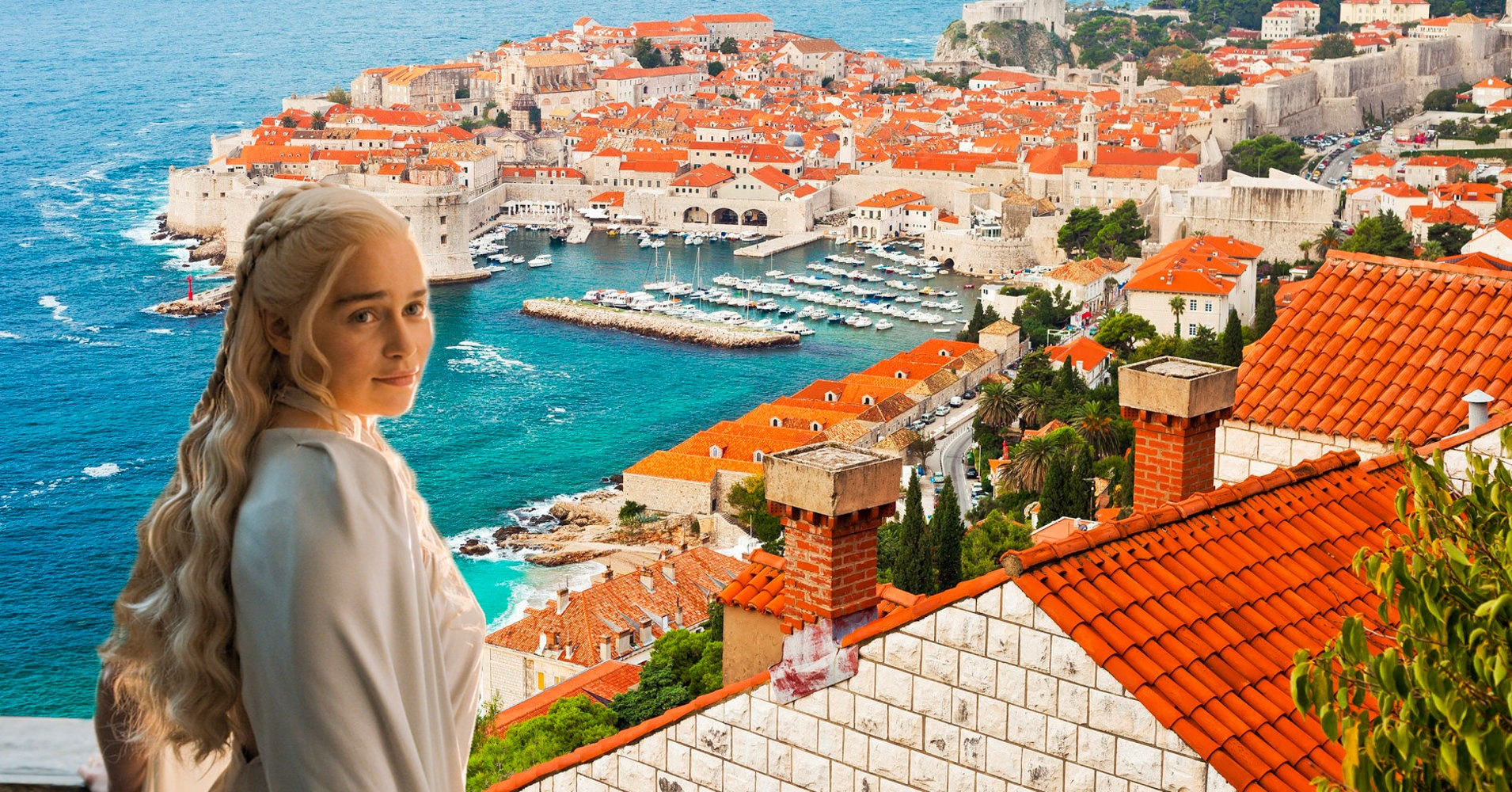
Quick answer: Yes. Croatia is one of Europe’s most popular and secure travel destinations. It joined the European Union in 2013, adopted the euro and entered the Schengen area in 2023, and the U.S. State Department rates it Level 1, “Exercise normal precautions,” at the time of writing. The usual travel precautions apply.
Croatia ranks among Europe’s most popular and secure travel destinations, and the numbers back that up. According to the national eVisitor system, the country recorded about 21.8 million tourist arrivals and about 110 million overnight stays in 2025, a record year. This guide explains why so many travelers feel at ease there, which precautions are worth taking, and how a private tour keeps a trip simple.
Why travelers feel safe in Croatia
Croatia declared independence in 1991 and has since built a large tourism industry along the Adriatic coast. Visitors come for Dubrovnik’s walls, Split’s Roman palace, Hvar and the other islands, and Plitvice Lakes, and most trips pass without incident.
The country joined the European Union in 2013. In 2023 it adopted the euro and entered the Schengen area, which makes border crossings from neighboring Schengen countries simple and means you do not need to change money for most of the trip.
Everyday safety tips
Croatia is an easy country to travel, and the precautions are the ones you would take in any popular European destination.
- In busy places: Old Town streets and ferry queues get crowded in summer. Keep phones and wallets in front pockets and watch your bags.
- Getting around: Use licensed taxis or a prearranged driver. Check ferry times in advance, since peak-season boats fill up.
- If you need help: Call 112 from any phone for police, ambulance or fire.
- Health cover: Take out travel insurance that covers medical care, especially if you plan to hike or take boat trips.
Nature, heat and the coast
Most risks on a Croatian trip come from the weather and the landscape rather than from people. Summers are hot, so carry water, wear sun protection and plan walking in the morning or evening. Dry summers can bring wildfires in parts of Dalmatia, so follow local advice if you are hiking. Rocky beaches often have sea urchins, and water shoes are a cheap fix.
If you hike in inland rural areas, stay on marked roads and trails. Some land affected by the conflict of the 1990s has not yet been fully cleared of mines, which is why signposted routes matter. The coast, the islands and the cities are not affected.
Crowds in Dubrovnik
Dubrovnik limits how many cruise ships can dock each day under its Respect the City program. Even so, the Old Town fills up on busy summer days. A guide helps you time the walls and the main street for quieter hours, so you spend your time on the sights instead of in queues.
Why a private tour helps
With a private guide and driver you do not handle transfers, parking or timetables on your own. Your guide knows where to go and when, and you can change the pace as you like. Take a look at our private Dubrovnik tour and private Split and Trogir tour, or browse all private Croatia tours. For a wider trip, see our private Balkan tours, and read our Dubrovnik highlights guide for what to see in the city.
Frequently asked questions
Is Croatia a safe country to visit?
Croatia is one of Europe’s most popular and secure travel destinations. It is a member of the European Union, and travelers can call 112, the EU emergency number, for police, ambulance or fire.
Is Croatia safe for solo travelers?
Most visitors move around cities, coastal towns and islands without trouble. The usual precautions apply: watch your belongings in crowded places and use licensed taxis or a prearranged driver.
Do I need a visa or passport control to enter Croatia?
Croatia is part of the Schengen area, so border checks between Croatia and neighboring Schengen countries are limited. Entry rules depend on your nationality, so check the official requirements for your passport before you travel.
Can I see Croatia on a private tour?
Yes. Private Croatia tours cover Dubrovnik, Split, Hvar and Plitvice Lakes at your own pace, and a Balkan private tour adds Bosnia, Montenegro and Slovenia.
ABOUT THE AUTHOR
Jordan, Owner & Lead Trip Planner
Jordan has spent 20+ years arranging private tours across Turkey and the wider Mediterranean, and personally plans each All Private Tours itinerary. All Private Tours is TURSAB licensed (A-6257) and an ASTA member.